How Proper Installation Prevents Cracking and Settling
Choosing experienced local contractors ensures proper installation of concrete driveways, which helps prevent cracking and settling by ensuring a strong, well-prepared foundation.
Understanding how proper installation prevents cracking and settling is essential for property owners looking to ensure the longevity and durability of their concrete surfaces. In the local area, where ground conditions and climate can pose unique challenges, working with experienced service providers can make a significant difference. Properly installed concrete driveways and other surfaces are less prone to common issues like uneven settling or cracking, which can lead to costly repairs down the line. Exploring this topic helps property owners make informed decisions about their investment and highlights the importance of choosing skilled local contractors who prioritize correct installation techniques.
For those considering a new driveway or concrete project, knowing the practical reasons behind proper installation can empower better planning and expectations. Local contractors who understand regional soil types, drainage needs, and weather patterns can tailor their approach to prevent problems before they start. This focus on quality installation not only enhances the appearance of the finished surface but also provides a stable foundation that resists cracking and settling over time. Keep reading to learn more about how expert installation practices contribute to long-lasting, resilient concrete surfaces and how connecting with qualified local service providers can support your project goals.
- Concrete driveway installation services are essential when planning a new surface to ensure proper foundation and reinforcement to prevent cracking and settling. Local contractors focus on accurate subgrade preparation and the use of control joints to accommodate movement and reduce stress. When existing driveways show signs of cracking or settling, experienced service providers can evaluate and reinforce the structure to improve longevity. Proper installation techniques by local pros help distribute loads evenly, minimizing the risk of cracks caused by ground movement or improper curing. Contacting skilled service providers ensures that concrete driveways are installed with measures that help prevent future cracking and settling issues.
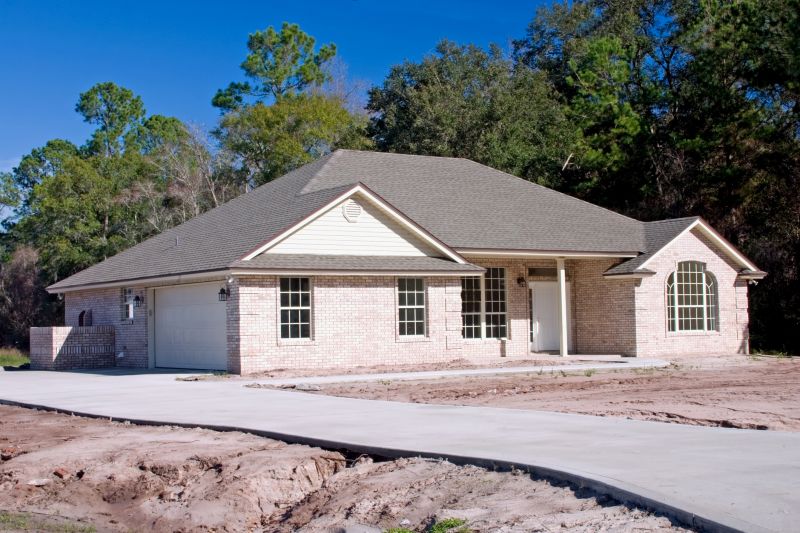

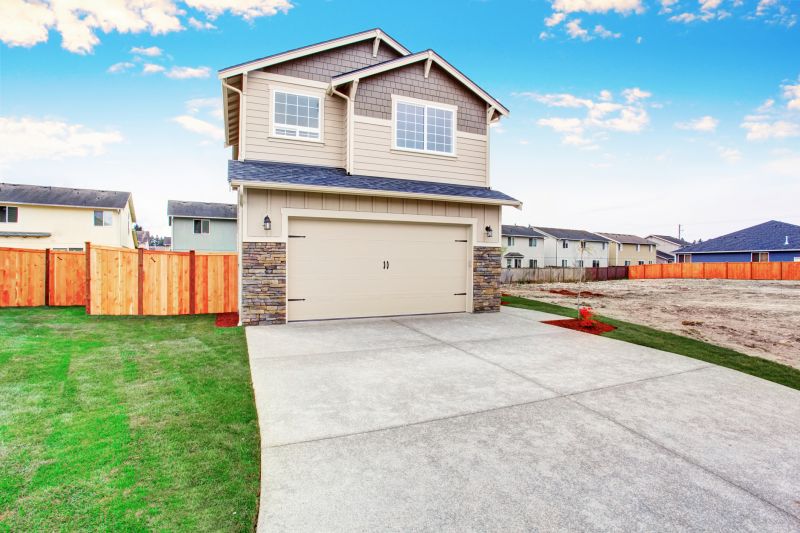
When people search for how proper installation prevents cracking and settling, they are often looking to understand why some concrete driveways or patios develop issues over time. Cracks and uneven settling are common concerns for homeowners who want durable, long-lasting surfaces. These problems can stem from a variety of causes, including poor preparation, improper mixing, or inadequate reinforcement during installation. Recognizing the importance of correct procedures helps homeowners avoid costly repairs and ensures their property maintains a smooth, stable surface for years to come.
This topic relates closely to projects involving concrete driveways, walkways, patios, and other flat surfaces that bear weight and endure weather changes. Settling occurs when the ground beneath the concrete shifts or compresses unevenly, often leading to uneven surfaces or cracks. Cracking can also result from internal stresses caused by rapid drying, temperature fluctuations, or improper joint placement. Proper installation practices, such as thorough subgrade preparation, proper reinforcement, and controlled curing, are essential to prevent these issues and maintain the structural integrity of the surface.
The types of properties where proper installation is especially critical include residential homes, commercial buildings, and public spaces. Homeowners with driveways and outdoor patios are frequently concerned about cracks that can diminish curb appeal and safety. Commercial properties, such as parking lots and walkways, require durable surfaces that can withstand high traffic and environmental stress. Public parks and recreational areas also benefit from correctly installed concrete to prevent uneven surfaces and costly repairs. For these projects, choosing experienced local contractors who understand proper installation techniques can make a significant difference in the longevity and performance of the concrete.
Understanding how proper installation prevents cracking and settling highlights the importance of working with skilled service providers. Local contractors who follow best practices in site preparation, mix design, reinforcement, and curing are better equipped to deliver stable, crack-resistant surfaces. They assess the specific conditions of each property, including soil type and climate, to tailor their approach accordingly. Engaging with experienced local pros ensures that the installation process addresses potential issues upfront, reducing the risk of future problems and helping property owners enjoy a smooth, durable concrete surface that lasts.
Paving and patio installation projects require careful planning and precise execution, similar to proper driveway installation to prevent cracking and settling.
Foundation repair and leveling services involve understanding soil conditions and proper surface preparation, principles that apply to durable concrete driveway installation.
Sidewalk and walkway construction involves controlling joint placement and reinforcement, which are key factors in preventing cracking in driveways.
Garage floor and slab pouring projects demand proper curing and support, aligning with best practices for driveway installation to avoid settling issues.
Retaining wall construction requires understanding soil pressure and drainage, concepts that help in planning for stable and crack-resistant driveways.
Driveway sealing and maintenance services focus on protecting concrete surfaces from damage, complementing proper installation to extend driveway longevity.
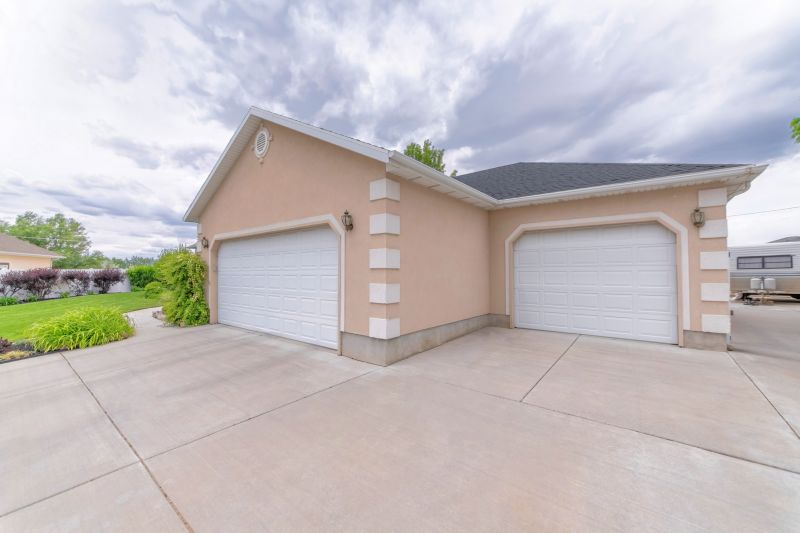
When evaluating concrete driveway installation services, it is important to consider the experience of local contractors with similar projects. An experienced service provider will have a clear understanding of the specific requirements involved in preventing cracking and settling, such as proper subgrade preparation and appropriate concrete mix selection. Homeowners should inquire about the contractor’s background with driveways of comparable size and conditions to ensure they possess the practical knowledge necessary to execute a durable, long-lasting installation.
Clear written expectations are also vital when comparing local service providers. A reputable contractor will be able to outline the scope of work, including preparation steps, curing methods, and finishing techniques that contribute to minimizing future issues. Having these details documented helps homeowners understand what to expect and ensures that the contractor’s approach aligns with best practices for preventing cracking and settling. Transparent communication about process and materials fosters confidence and reduces the likelihood of misunderstandings during the project.
Reputable references and good communication are key indicators of a reliable service provider. Homeowners should seek out local contractors who can provide references from past clients with similar projects, offering insights into their workmanship and reliability. Additionally, responsive and clear communication throughout the process can help address questions or concerns early on, ensuring that expectations are managed effectively. Choosing a provider who values open dialogue and has a track record of satisfied customers can significantly contribute to a successful, properly installed driveway that resists cracking and settling over time.
Property owners often search for how proper installation prevents cracking and settling when they are planning practical projects around their homes and businesses. Local pros provide Concrete Driveway Installation services for everyday jobs and straightforward project options.
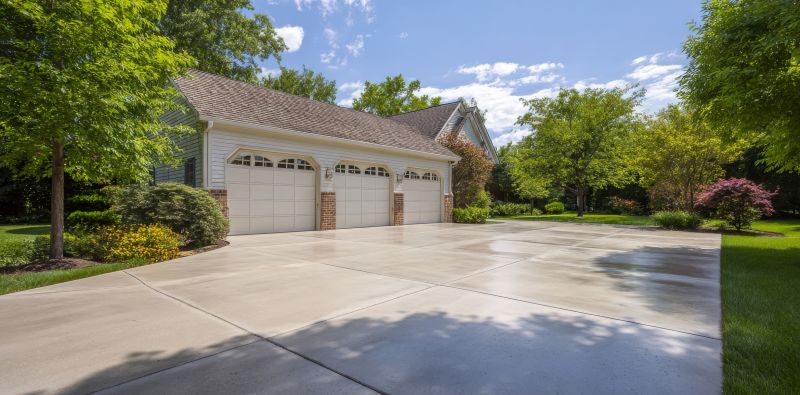

Proper installation of a concrete driveway is essential in preventing common issues like cracking and settling over time. When local contractors carefully prepare the ground, ensure proper compaction, and use appropriate reinforcement techniques, they help create a stable foundation that can withstand temperature fluctuations and soil movement. This attention to detail during installation reduces the likelihood of surface cracks forming or the driveway settling unevenly, which can lead to costly repairs and safety concerns for property owners.
Homeowners in the area often look into concrete driveway installation services to protect their investment and maintain curb appeal. Skilled service providers understand how proper installation practices-such as precise leveling, adequate joint placement, and proper curing-play a crucial role in long-term durability. By choosing experienced local contractors, property owners can help ensure their driveway remains smooth, level, and free of cracks, ultimately extending its lifespan and reducing maintenance needs.
How does proper installation prevent cracking in a concrete driveway? Proper installation ensures correct subgrade preparation, adequate reinforcement, and proper finishing techniques, which help distribute loads evenly and reduce stress points that can cause cracking.
Why is settling a concern in driveway construction, and how does proper installation address it? Settling occurs when the ground beneath the driveway shifts or is not properly prepared. Local contractors can ensure proper compaction and stable base layers to minimize uneven settling over time.
What role does soil preparation play in preventing driveway issues? Soil preparation involves removing soft or unstable soil and replacing it with a compacted base, which provides a stable foundation and reduces the risk of future cracking and settling.
How can reinforcement methods during installation help prevent cracking? Reinforcement techniques like rebar or wire mesh strengthen the concrete, helping it resist tension and reducing the likelihood of cracks forming due to ground movement or load stresses.
What are some common installation mistakes that lead to settling and cracking? Common mistakes include inadequate subgrade preparation, insufficient reinforcement, and improper finishing, all of which local service providers can avoid through proper techniques to ensure long-lasting driveways.
Proper site preparation involves ensuring the ground is well-compacted and free of debris, helping to create a stable foundation for the driveway.
Accurate concrete mixing and placement by experienced contractors prevents uneven settling and reduces the risk of cracks forming over time.
Installing control joints at strategic points allows the concrete to expand and contract naturally, minimizing cracking caused by temperature changes.
Using quality materials and reinforcement helps ensure the driveway remains durable and resistant to cracking and settling issues.
If you are thinking about how proper installation prevents cracking and settling for a property, this guide is meant to help you understand this topic, the typical project types, and how different options might fit your plans.
When you are ready, you can use the quote form on this page to share a few details about your project. From there, local pros can review the basics and follow up with options that match what you have in mind.